
The Complete Evidence-Based Guide to Better Sleep in 2026
Sleep is not a luxury—it’s a biological necessity. In today’s fast-paced digital world, millions struggle with poor sleep quality. This guide will help you naturally improve your sleep using simple, science-backed strategies and build long-term healthy habits.
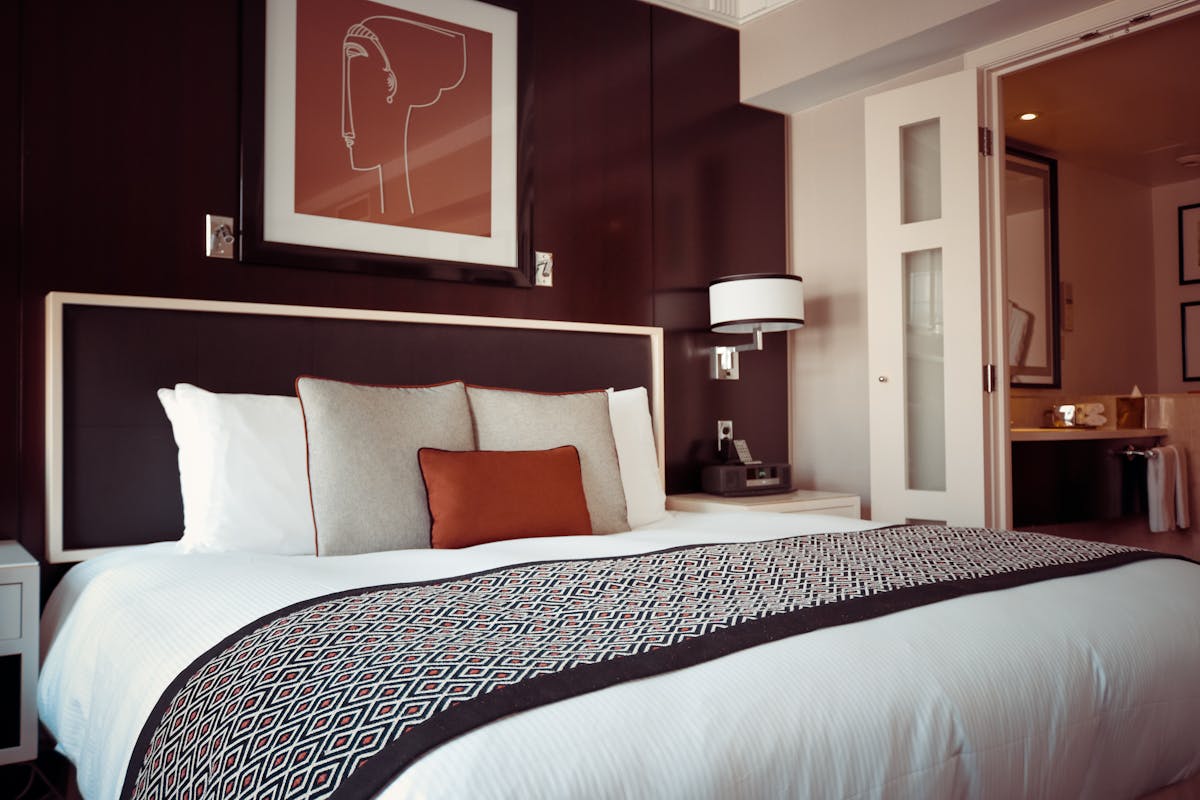
Your bedroom environment is the foundation of quality rest.
Why Sleep is Your Most Powerful Health Tool
Sleep plays a critical role in your overall health. During sleep, your body repairs tissues, balances hormones, and strengthens memory. Poor sleep is linked to heart disease, poor focus, and a weakened immune system.
Learn more about stress management tips to improve sleep.

Common Sleep Disruptors in 2026
1. Digital Overload
Blue light from phones and laptops reduces melatonin, the hormone responsible for sleep. Try to avoid screens at least 30–60 minutes before bed.
2. Stress and Overthinking
High stress levels keep your brain active at night. Deep breathing or journaling can help calm your mind before sleep.

Step-by-Step Natural Strategies
1. Optimize the "Sleep Cave"
Keep your room cool (around 18°C / 65°F) and use blackout curtains to ensure total darkness. Silence is equally important; use white noise if needed.
2. Fix Your Sleep Schedule
Go to bed and wake up at the same time daily—even on weekends. This resets your circadian rhythm. See our daily energy routine guide.
3. Mindful Nutrition
Avoid heavy meals 3 hours before bed. Instead, try magnesium-rich snacks like almonds or a small banana to promote relaxation.
Quick FAQ
- How many hours do I need? Most adults require 7–9 hours.
- Is napping okay? Yes, but keep it under 20 minutes and before 3 PM.
- Does caffeine affect sleep? Yes, it can stay in your system for up to 8 hours.
Conclusion
Better sleep is built through consistent daily habits. Start tonight by dimming the lights and putting away your devices. For more evidence-based tips, visit MTH Health Tips Home.
About MTH Health Tips: We provide research-based health advice to help you live a balanced and energized life.


